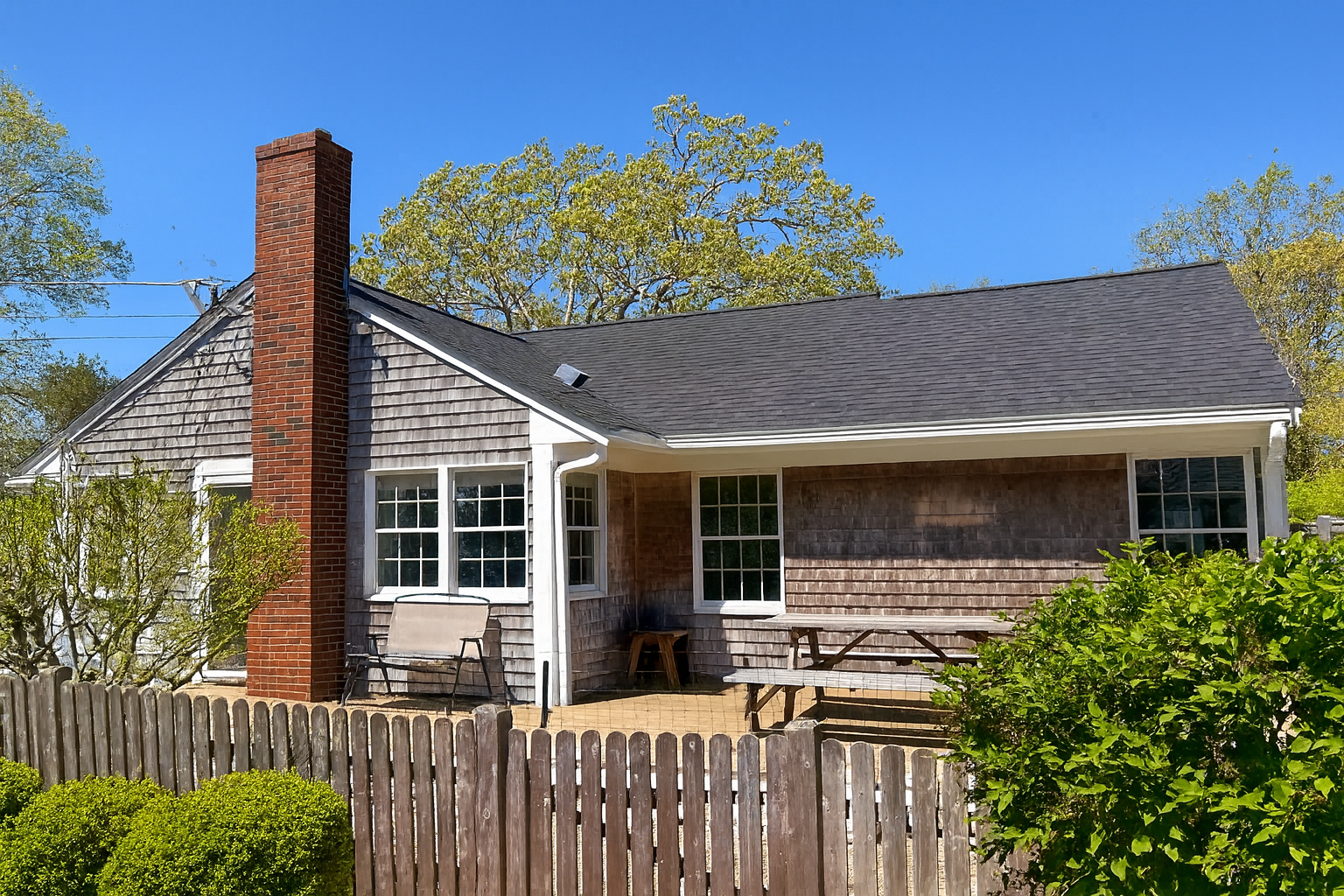
Shoreline Sturdiness: Key Factors in Selecting the Best Siding for Coastal Winds Feb 13, 2026
Understanding the Impact of Coastal Winds on Siding
Coastal winds can wreak havoc on traditional home siding materials. Frequent exposure to high winds, salt spray, and extreme weather conditions can lead to rapid deterioration, costly repairs, and frequent maintenance. Therefore, ensuring that your siding material is robust enough to handle these elements is essential.
Factors to Consider When Selecting Siding for Coastal Areas
When selecting siding for homes in coastal regions, consider the material’s durability, resistance to weather conditions, energy efficiency, and aesthetic appeal. These factors together will help you achieve the perfect balance between functionality and beauty.
1. Durability and Resistance: The most crucial factor is the siding’s ability to withstand high wind speeds, moisture, and corrosive salt air. Options such as fiber cement, engineered wood, and high-grade vinyl are known for their robustness. Fiber cement siding, for instance, offers excellent resistance to wind and moisture and does not rot, warp, or expand under coastal pressure.
2. Maintenance and Longevity: You should also consider the maintenance requirements and longevity of the siding material. Materials like fiber cement and composite siding are low-maintenance and provide longevity, making them ideal choices for coastal homes. Their resistance to salt and moisture reduces the need for frequent repairs and repainting.
3. Energy Efficiency: Energy-efficient siding can help maintain a comfortable indoor temperature and reduce energy bills. Insulated vinyl siding and fiber cement are great options, providing an extra layer of protection that helps prevent heat loss during cooler months and blocks heat intake during warmer seasons.
4. Aesthetic Appeal: While functionality is crucial, the visual appeal of your home is equally important. Siding comes in various colors, styles, and textures. Opt for materials that offer a balance between durability and design. For instance, engineered wood siding mimics the natural beauty of wood, providing an elegant look without the drawbacks of traditional wood in coastal environments.
5. Impact Resistance: Consider materials with high impact resistance to prevent damage from flying debris during storms. Fiber cement and composite siding materials are known for their superior impact resistance and can help protect your home during extreme weather events.
Conclusion
Choosing the right siding for your coastal home involves careful consideration of multiple factors, including durability, maintenance needs, energy efficiency, and aesthetics. At Seaside Roofing and Siding, we provide expert advice and a selection of high-quality siding materials designed to withstand the unique challenges of living by the sea. By investing in the right siding, you not only ensure the long-lasting protection of your home but also enhance its beauty and value. Contact us today to learn more about our siding options and how they can safeguard your coastal paradise from the forces of nature.
/filters:no_upscale()/filters:format(webp)/media/850865b3-e3b9-41b1-ac41-906bdbdbd4cf.png)
/filters:no_upscale()/filters:format(webp)/media/c46a4f30-fb36-4bd7-b4d2-fbb8bc56d3b0.jpeg)